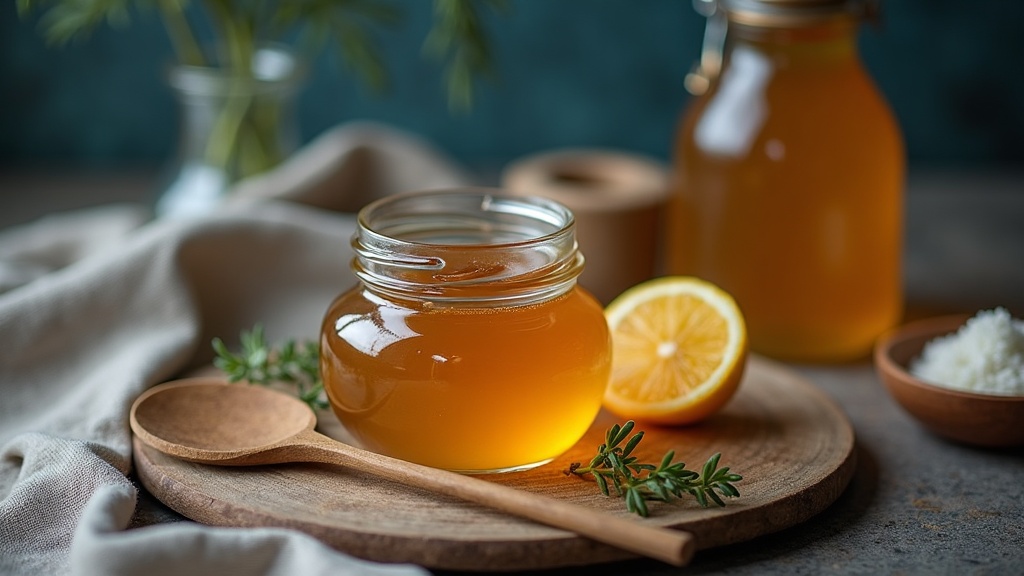
A quiet ritual passed down for generations, this honey-based herbal infusion tradition is worth a closer look — especially for anyone curious about the everyday habits that surround memory and focus after 50.
nSo what’s actually changing? Before looking at any ritual involving honey or herbs, it helps to understand what’s happening behind the scenes.
nBetween work, family, and endless notifications, the brain rarely gets a quiet moment — and quiet moments matter more than people realize.
Sleep patterns naturally shift with age, and lighter, shorter sleep can leave the mind feeling less sharp the next day.
What ends up on the plate — or in the cup — day after day plays a bigger role in how alert we feel than most people ever stop to consider.
Ongoing stress rarely announces itself loudly. It accumulates in the background, and over time it can affect how focused and present we feel.
Let’s clear up a few things people commonly get wrong about memory, aging, and traditional herbal habits.
nMemory changes mean something is seriously wrong.
nGradual changes in focus and recall are a normal part of aging for most people and are not automatically a sign of a serious condition.
nHerbal infusions are just old wives’ tales with no real tradition behind them.
nMany cultures have documented centuries of ritual use around herbal infusions, often passed down specifically as part of daily wind-down routines.
nThere’s nothing you can do about how sharp you feel day to day.
nDaily habits — from sleep routines to what you drink in the evening — are within your control, even if they don’t guarantee any particular outcome.
nHere’s a practical, low-effort way this tradition is typically approached — no special equipment required.
nChoose a consistent time each evening, away from screens, where you can slow down for just a few minutes.
nWarm water, a chosen herbal blend, and a small amount of honey stirred in — simple, unhurried, and repeatable.
nConsistency is what turns a cup of tea into a ritual. Many people find that doing this nightly, rather than occasionally, is what matters most.
nLong before modern supplements existed, honey was combined with herbs across many traditional practices — from European folk remedies to Eastern wellness customs — often taken in the evening as part of a broader approach to rest and daily rhythm. These practices were rarely about quick fixes; they were about consistency, ritual, and paying attention to the body’s natural cycles.
nThe common thread across these traditions isn’t a single ingredient — it’s the ritual of slowing down at the end of the day, something modern routines rarely make room for.
nOccasionally forgetting what you were about to say is common, but noticing it happen more often is worth paying attention to.
Everyone loses keys occasionally — but a noticeable increase in frequency is a pattern worth observing.
If group conversations feel harder to keep up with than they used to, that shift is worth noting.
A persistent sense of fogginess, rather than an occasional off day, is a signal to pay closer attention to daily habits.
Finding it harder to retain new names, directions, or instructions is a common but noteworthy pattern.
Feeling wired or unsettled in the evening, rather than winding down naturally, can be worth exploring further.
These are individual accounts and reflect personal experience only. Results and experiences vary from person to person, and these testimonials are not a guarantee of any particular outcome.
nIt refers to a long-standing practice of combining honey with herbal infusions, typically enjoyed in the evening as part of a wind-down routine.
nNo. This content is educational and explores a traditional ritual. It is not intended to diagnose, treat, cure, or prevent any condition.
nThe basic version simply involves warm water, herbs, and honey. Many people adapt it based on personal preference and availability.
nHoney plays a traditional role in many herbal infusion rituals, often used alongside herbs rather than as a standalone element.
nSimilar practices appear across multiple cultures and generations, often tied to evening routines and rest-related customs.
nYes. It’s always a good idea to speak with a qualified healthcare professional about any new habit, especially if you have existing health conditions.
nYou can watch the complete video by selecting the button on this page, which walks through the tradition and its background in more detail.
nWatch the full video to explore the history and tradition behind this honey-based herbal ritual — and decide for yourself if it’s worth adding to your evening routine.
nAdvertising Disclosure: This page contains sponsored content and affiliate links. We may receive compensation if you click a link or make a purchase through the links provided on this page. This helps support our content at no additional cost to you.
nContent Disclaimer: This content is provided for educational and informational purposes only. It has not been evaluated by the FDA and is not intended to diagnose, treat, cure, or prevent any disease. Always consult a qualified healthcare professional before making changes to your health routine or trying any new practice.
nResults Disclaimer: Individual results and experiences vary from person to person. The testimonials shared on this page reflect personal opinions and are not a guarantee of any particular outcome for any individual.
n© 2026 · All Rights Reserved · Contact us: /contact/
n